

Gaming social network Guide 2026: Find Teammates Who Actually Fit Your Playstyle
A Gaming social network is no longer just a place to chat between matches. In 2026, players want fast LFG, safer communities, better teammate matching, and rooms where they can jump into games with people who actually fit their vibe. This guide explains how gaming social networks work, what features matter, and how COYA helps players stop queueing alone.
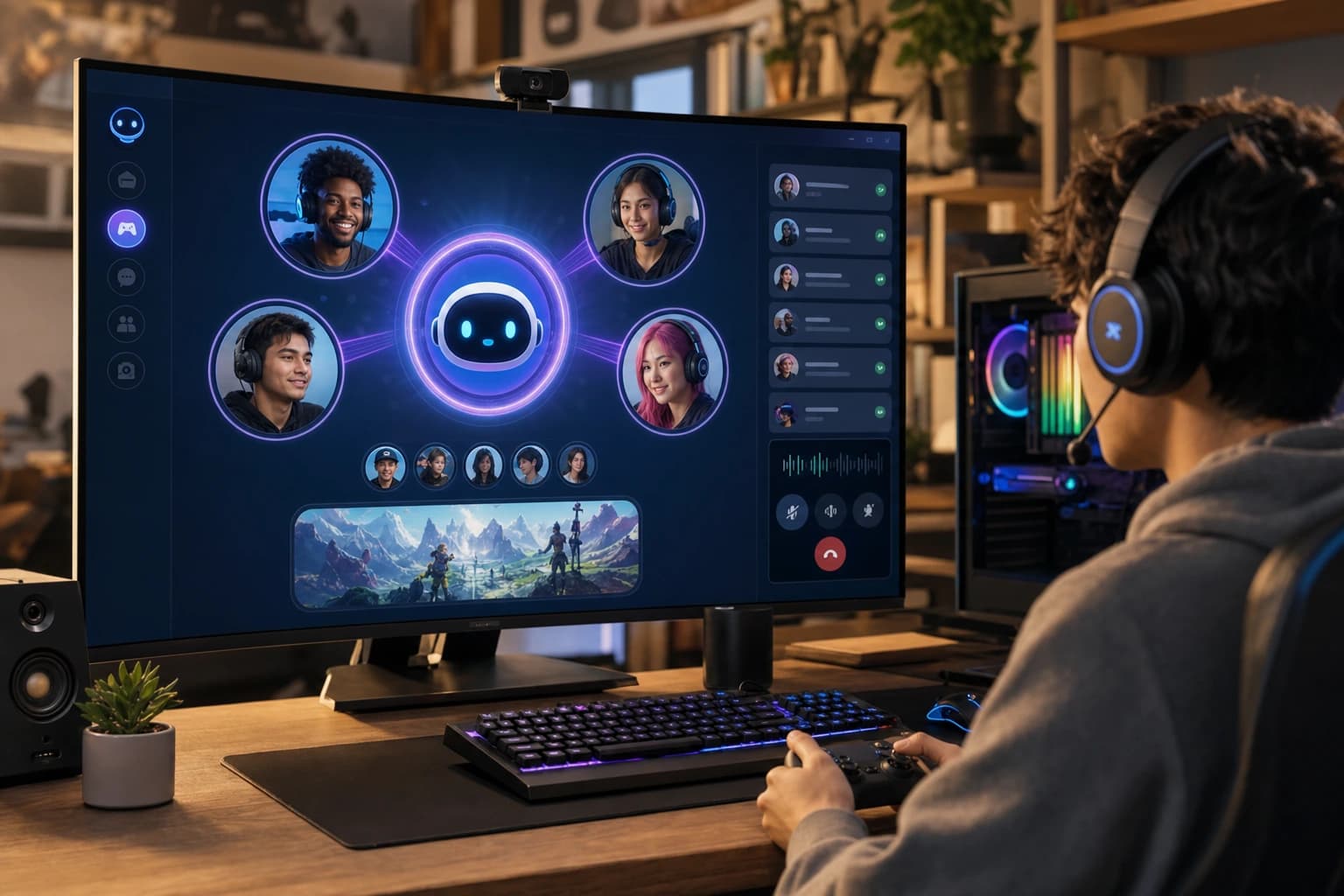
A Gaming social network is no longer just a place to chat between matches. In 2026, players want fast LFG, safer communities, better teammate matching, and rooms where they can jump into games with people who actually fit their vibe. This guide explains how gaming social networks work, what features matter, and how COYA helps players stop queueing alone.
At COYA, we see a simple problem every day: players do not just need more people online, they need the right people to play with. A Gaming social network in 2026 should not feel like shouting into a crowded lobby and hoping someone decent replies. It should help you find players by game, platform, rank, age, and playstyle, then move you into a live room where the squad can actually start playing.
That shift matters because online multiplayer is bigger, more global, and more fragmented than ever. One player wants a chill co-op run after work. Another wants a ranked grind with clean comms. A creator wants community nights that turn viewers into regular teammates. A competitive duo wants role fit, consistency, and trust. The right Gaming social network connects those different needs without making players scroll forever.
What Is a Gaming social network in 2026?
A Gaming social network is a gaming-first social layer built around player discovery, LFG, live rooms, profiles, communities, and teammate compatibility. It is not only a chat app, a forum, or a feed. The best version helps players answer the question that actually matters before a session starts: who should I play with right now?
In 2026, players expect a Gaming social network to understand the way they play. Favorite games are only the start. Rank, platform, mode, mic preference, region, language, schedule, age comfort, playstyle, and vibe all shape whether a session feels clean or awkward. COYA is built around that reality, matching compatible gamers and placing them in a live room so the connection turns into gameplay fast.
From gaming forums to instant teammate matching
The old internet gave gamers forums, comment threads, community posts, and group chats. Those spaces helped people share clips, ask questions, and organize clans, but they were slow for actual LFG. You could post “need one for ranked” and wait ten minutes, thirty minutes, or never get a reply from someone who matched your skill level or mood.
Modern teammate discovery has to be faster. A strong Gaming social network reduces the gap between “I want to play” and “we are in the lobby.” That is why COYA focuses on live matching instead of passive browsing. If you are ready for a duo, stack, party, raid team, or casual co-op session, the flow should help you connect before the hype dies.
Why social gaming feels different from regular social media
Regular social media is built around posting, following, reacting, and consuming content. Social gaming is built around doing something together. A Gaming social network has to care about teamwork, voice comms, roles, ranks, platforms, time zones, and whether a player is sweaty, chill, tactical, chaotic, patient, or just there for laughs.
This is where COYA’s approach feels natural. Instead of treating every player who owns the same game as a good match, COYA looks at the details that shape the session. Two players can love the same title and still be a terrible fit if one wants a hard ranked climb and the other wants a no-pressure warmup. Find Teammates Who Actually Fit Your Playstyle is not just a slogan, it is the core use case.
Why Gamers Use a Gaming social network Instead of Playing Alone
Playing alone is fine when you want to chill, but most multiplayer games are designed around coordination. Random queues can be fun, yet they are also unpredictable. One match gives you a clutch teammate. The next gives you silence, rage quitting, griefing, or someone who ignores the objective. A Gaming social network gives players more control before they invest time in a session.
For players aged 16 to 42 across different regions, platforms, and schedules, that control is huge. People are busy. Nobody wants to spend half the night searching for a squad, joining a dead chat, or testing random teammates one by one. COYA gives players a warmer path: tell the platform what you play and how you like to play, then meet gamers who actually match your vibe.
Finding teammates who match your rank, platform, and vibe
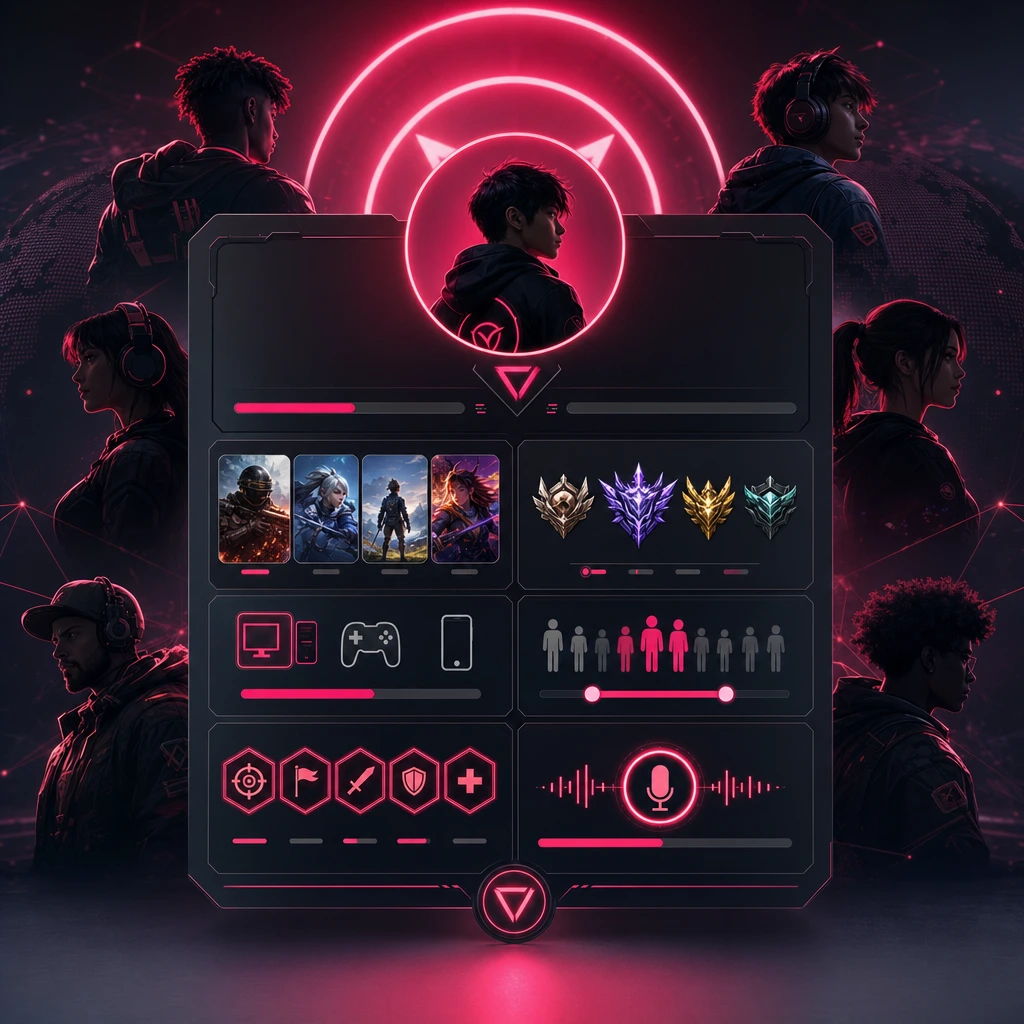
Rank alignment matters because skill gaps can ruin both sides of a match. Platform matters because cross-platform gaming is not always frictionless. Vibe matters because the same ranked session can feel focused, toxic, quiet, funny, or chaotic depending on who joins voice. A useful Gaming social network treats all of these as matching signals, not side details.
On COYA, compatibility is not only about a game title. It is about games, platforms, rank, age, and playstyle working together. That means a player looking for a patient support duo does not have to settle for the first loud teammate online. A weekend player can find other chill players. A competitive grinder can find people who want clean callouts and serious reps.
Turning LFG from a waiting game into a live room
LFG should not feel like applying for a job. Too many players still bounce between posts, channels, old group chats, and unanswered messages. A better Gaming social network removes that waiting game by connecting compatible players in the moment.
COYA’s live room approach is designed for that exact jump. When the match makes sense, players can enter a shared room and start talking, planning, and launching the game. That matters because momentum is everything. If someone is ready to play now, the network should help them form a party now.
Making online multiplayer more social, less random
The real win is not only one good match. It is finding people you want to run it back with. A strong Gaming social network helps players build repeat connections: a ranked duo, a weekly stack, a raid team, a late-night party, or a creator community that actually plays together instead of only reacting to posts.
That is why COYA keeps the focus on community. The goal is not to create another place where gamers collect usernames and never play. The goal is to help players stop gaming alone, connect with the right people, and turn one clean session into the start of a real squad.
Core Features Every Gaming social network Should Have
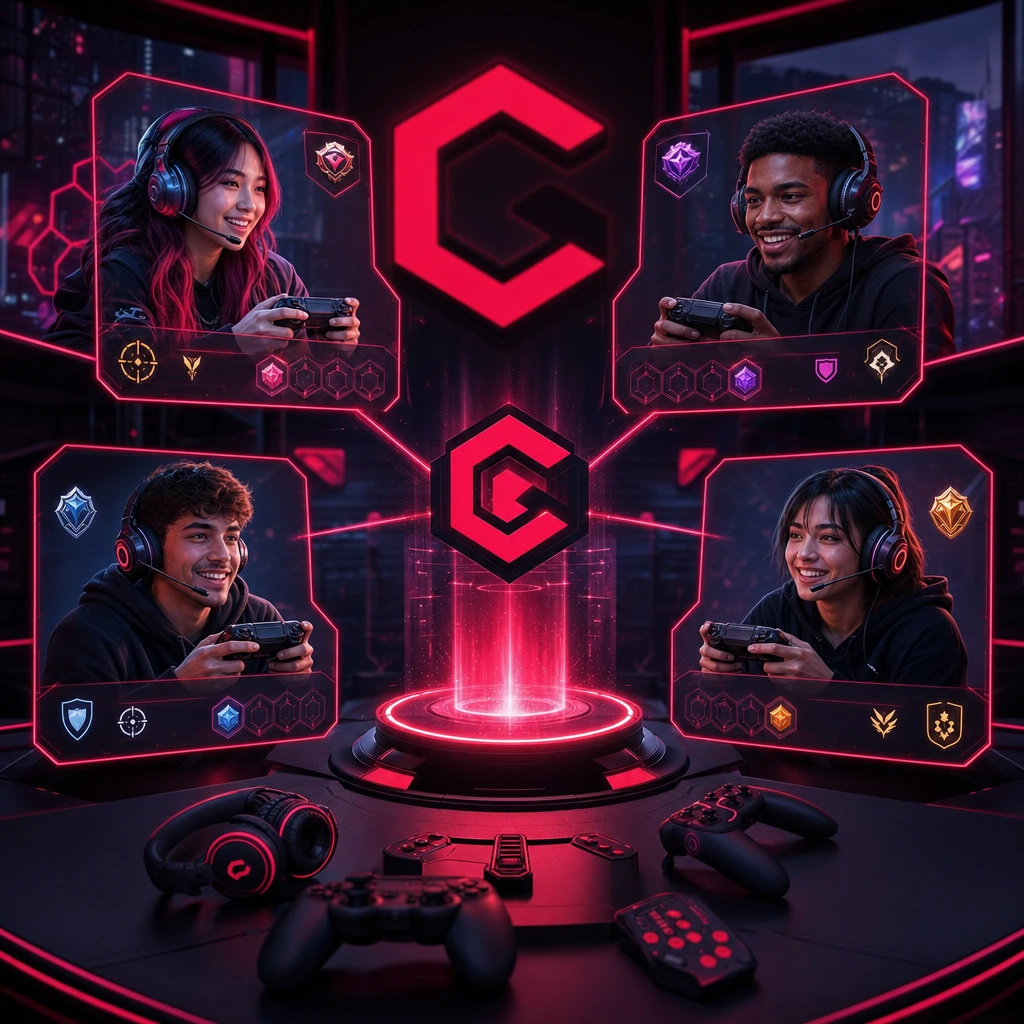
A Gaming social network can look simple on the surface, but the useful ones solve very specific player problems. They reduce search time, improve teammate fit, support communication, make communities easier to manage, and help players discover people and games without turning the experience into noise.
Player profiles that show more than a username
A username and avatar are not enough. Good player profiles show favorite games, platforms, rank, preferred modes, age range, languages, schedule, communication style, and playstyle. These details are practical. They tell you whether someone wants competitive comms, casual banter, long co-op sessions, quick daily quests, or high-pressure tournament practice.
COYA uses this kind of information to make matching feel less random. If you prefer voice chat, late sessions, aggressive entry roles, or patient co-op exploration, those signals should help shape who you meet. A Gaming social network that ignores those details forces players to discover compatibility the hard way, usually mid-match when it is already too late.
LFG tools for casual, ranked, co-op, and competitive play
Not every LFG request has the same energy. Casual players may want a relaxed survival co-op run. Ranked players may need a specific role, rank range, and mic. Competitive teams may need scrims, practice blocks, and players who show up consistently. Party game players may care more about humor and low-pressure vibes than skill.
- Casual LFG needs friendly discovery, flexible timing, and low-pressure rooms.
- Ranked LFG needs skill alignment, role fit, communication expectations, and session goals.
- Co-op LFG needs patience, shared progress goals, and similar pacing.
- Competitive LFG needs consistency, team roles, review habits, and clear commitment.
- Creator LFG needs community nights, repeat participation, and easy ways for fans to join.
A זה should support all of these moods without forcing players into one format. COYA is useful because it starts with the player’s intent. Whether you want a chill duo or a serious ranked push, the matchmaking context helps the room feel right before the first round starts.
Voice chat, text chat, and live rooms that reduce friction
Communication is where teammate discovery becomes real. Text helps players check fit quickly. Voice helps squads coordinate, vibe check, and decide whether to queue. Live rooms reduce the awkward middle step where everyone is technically connected but nobody knows what happens next.
COYA’s value is in shortening the path from match to game. A זה should not trap players in endless profiles. It should give them enough context to feel comfortable, then make it easy to talk, group up, and play.
Game discovery and community discovery
The best gaming communities do more than fill empty squad slots. They help players discover new games, new modes, clans, guilds, events, and people with similar habits. If someone loves tactical shooters, survival crafting, raids, racing, sports titles, or casual party games, the network should help them find the circles where those sessions are active.
COYA is built around that player-first discovery loop. Meet the right gamers, play together, save the connection, and keep building from there. That is how a זה becomes more than a directory. It becomes the place where your next squad can actually form.
How Players Find Friends to Play With Online
Players find gaming friends through several paths: in-game friend requests, group chats, community servers, forums, content communities, creator streams, and LFG posts. These methods can work, but they often depend on luck. You meet someone good, hope they are online again, and hope their schedule and mood match yours next time.
The old way: posts, servers, and hoping someone replies
The old way is familiar. Post your game, region, rank, and maybe “mic required.” Then wait. Sometimes someone replies. Sometimes they are the wrong rank. Sometimes they join once and disappear. Sometimes the chat looks active but nobody is actually ready to play.
That is not a bad model, it is just incomplete. A זה should do more than host a message. It should understand the player behind the message and help match them with people who fit the session.
The better way: compatibility-based teammate discovery
Compatibility-based discovery starts with structured signals. What do you play? Where do you play? What is your rank? How old are you comfortable playing with? Are you chill, competitive, talkative, quiet, strategic, funny, patient, or all-in on winning? COYA uses these signals to make teammate discovery feel more intentional.
This is the heart of COYA. COYA matches you with compatible gamers based on your games, platforms, rank, age, and playstyle, then puts you in a live room to play together instantly. If you are tired of random queues, COYA gives you a clearer path: Find players. Join games. Play together.
What to check before joining a squad
Before joining a squad, check the basics. Do they play your mode? Are they close enough in skill? Are mic expectations clear? Does the time zone work? Are they trying to win, learn, complete missions, farm loot, or just have a laugh? Does their communication style fit yours?
A זה makes those questions easier to answer before you commit to a session. COYA’s structured matching helps reduce awkward mismatch moments, like joining a “chill” group that treats every mistake like a tournament final or entering a ranked stack that does not communicate.
זה Use Cases: Casual Players, Competitive Teams, Creators, and Brands
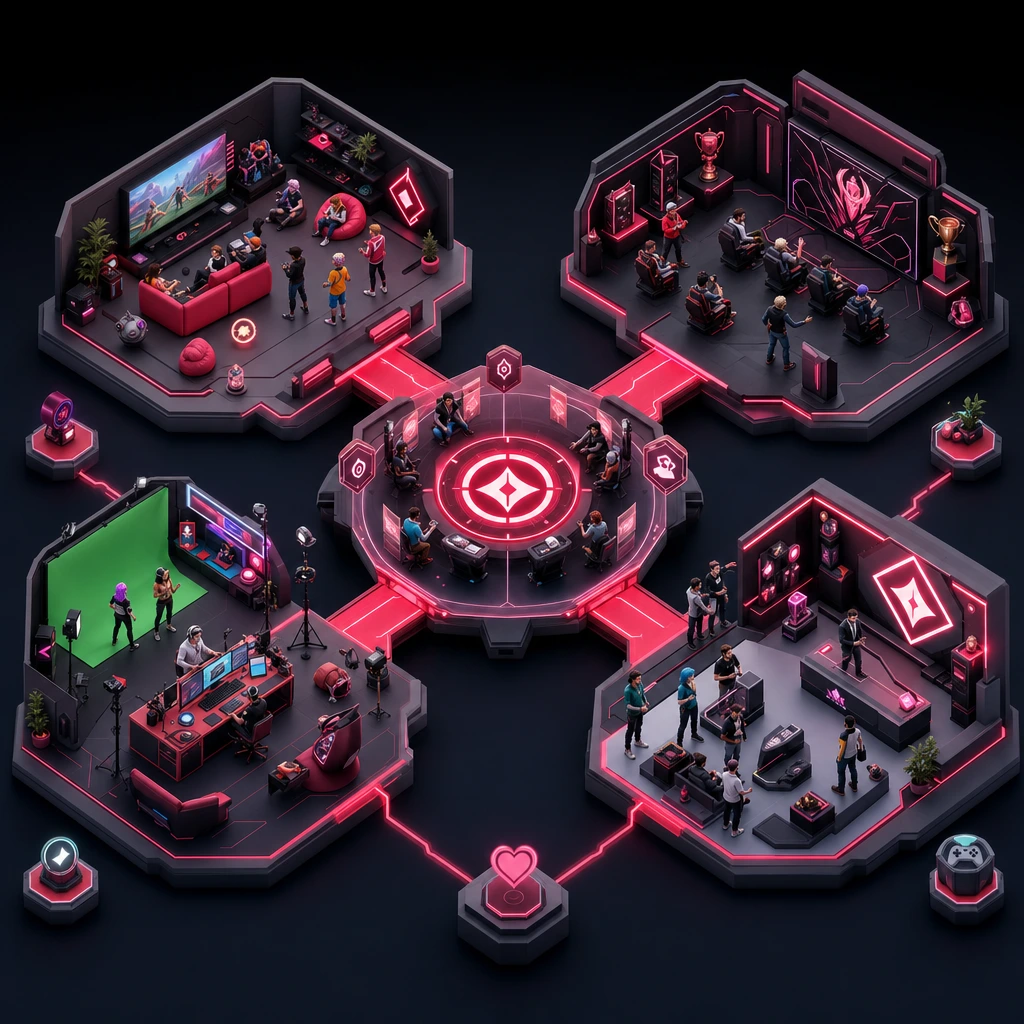
Different gaming communities need different tools. A casual player, a ranked grinder, a streamer, and a studio community manager may all use a זה, but they measure success differently. The common thread is active participation. A healthy network gets people playing, not just watching a feed move.
Casual gamers who want chill people to play with
Casual gamers often want the simplest thing: nice people who are fun to play with. They may not care about perfect rank synergy. They care about respectful comms, shared humor, flexible sessions, and a lobby where one mistake does not ruin the mood. A זה should make that easy to find.
COYA is especially helpful here because vibe is part of the match. If you want late-night co-op, relaxed party games, or a friendly duo that does not flame after one bad round, COYA helps you look beyond the username and find people who feel good to queue with.
Ranked grinders and competitive teams
Competitive players need a different layer of fit. Rank range matters, but so do roles, map knowledge, tilt control, shot-calling, review habits, and whether everyone is chasing the same goal. A ranked grinder does not want random energy when they are two wins from promotion.
A זה can help serious players find better sessions by making expectations visible. COYA helps players connect around rank, platform, and playstyle so a serious stack can form with fewer surprises. The result is not guaranteed wins, because no platform can promise that, but it can create cleaner starting conditions.
Creators and streamers building a real gaming community
Creators do not only need passive followers. They need community members who join game nights, form squads, show up for tournaments, and help the space feel alive between content drops. A זה can turn an audience into active players by making participation easier.
For creators, COYA-style matching can support community nights where fans are grouped by game, skill, and vibe instead of thrown into messy lobbies. That makes events smoother and gives viewers a reason to return, because they are not just watching the community. They are playing inside it.
Publishers, studios, and gaming brands growing owned communities
Gaming brands and studios often focus on reach, but retention comes from participation. Players return when they find friends, squads, clans, events, tournaments, and habits around a game. A זה mindset helps brands design communities around what players do together, not only what they read.
That means organizing communities by modes, roles, events, skill levels, and player goals. It also means measuring health through activity: rooms created, squads formed, returning groups, completed events, and repeat sessions. COYA’s player-first view is useful because it treats connection as the start of retention.
Trust, Safety, and Moderation in a זה
Trust is not a bonus feature. It is part of whether players come back. A זה that ignores toxicity, harassment, griefing, and bad-fit rooms will lose the exact players who make a community worth joining. Safety matters for teenagers, adults, casual players, competitive players, creators, and brands.
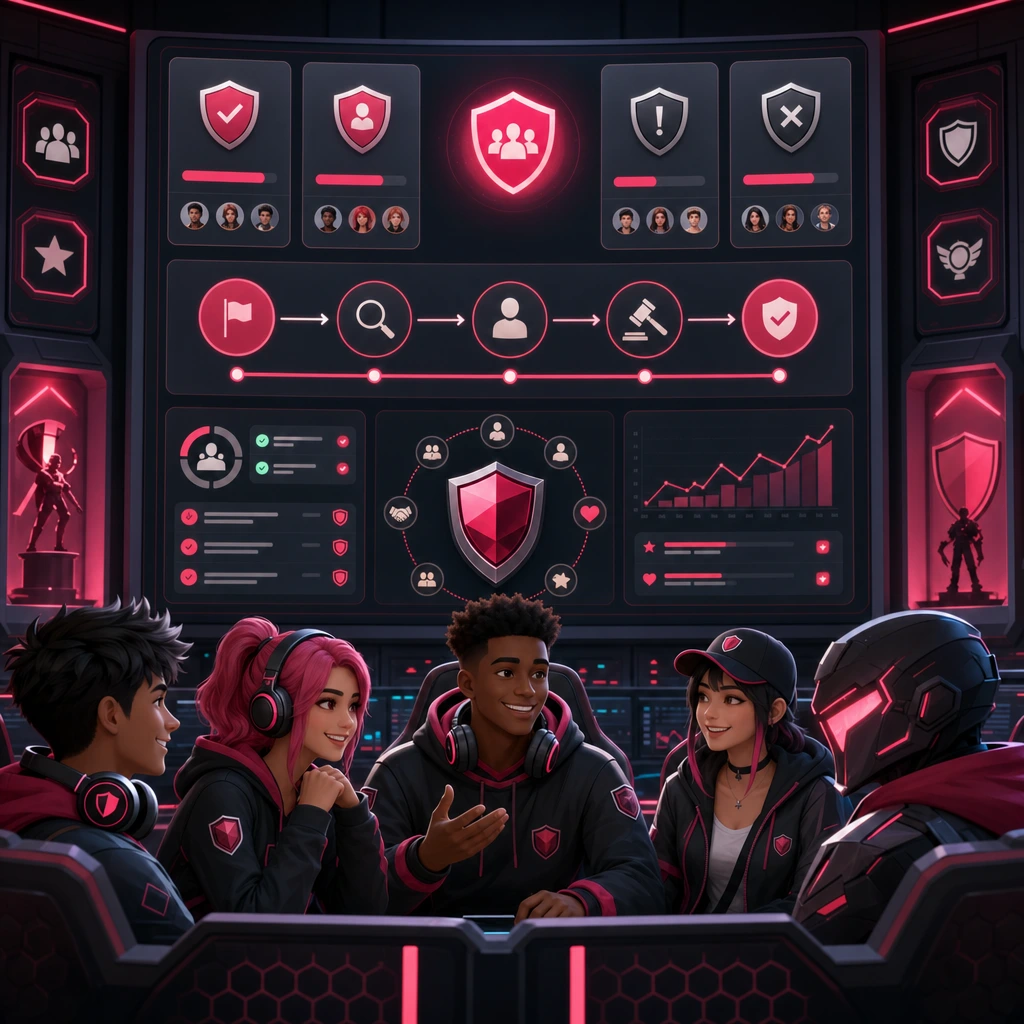
Why toxicity prevention matters for player retention
Toxic voice chat can make a player log off even when they still love the game. Griefing, harassment, slurs, rage, and constant blame turn multiplayer from fun into emotional work. When that happens enough times, people stop using LFG, stop joining communities, or stop playing certain modes entirely.
A healthy זה reduces those risks by setting expectations before the room forms. COYA’s focus on age, playstyle, and compatibility supports comfort as well as performance. Better context does not solve every issue, but it lowers the chance of throwing completely mismatched players into the same voice room.
Community rules, reporting, and player expectations
Good community governance usually includes clear rules, easy reporting, moderation tools, behavior expectations, and consequences that players understand. The key is clarity. Players should know what kind of room they are entering, what behavior is not welcome, and how to respond if something feels off.
For a global זה, expectations also need cultural awareness. Players come from different regions, languages, and gaming norms. COYA’s warm, accessible tone matters here because the goal is not to police fun. The goal is to make it easier for good teammates to find each other and stay.
Age, rank, and playstyle matching as safety signals
Age, rank, and playstyle are not only matching filters. They are comfort signals. A 17-year-old may prefer playing with people close to their age. A new player may want patient teammates. A high-rank player may want focused comms without insults. A casual player may want a group that keeps the lobby light.
When COYA matches by these signals, the experience feels more human. A זה should help players avoid rooms where the expectations are clearly wrong from the start. That protects the vibe and helps communities grow through better repeat sessions.
AI and Personalization: The Future of Player Matchmaking
Personalization in a זה does not need to sound futuristic or complicated. At its best, it simply helps players spend less time searching and more time playing. If a system understands your games, platform, rank, preferences, playstyle, and session behavior, it can surface better teammate options than a basic chronological feed.
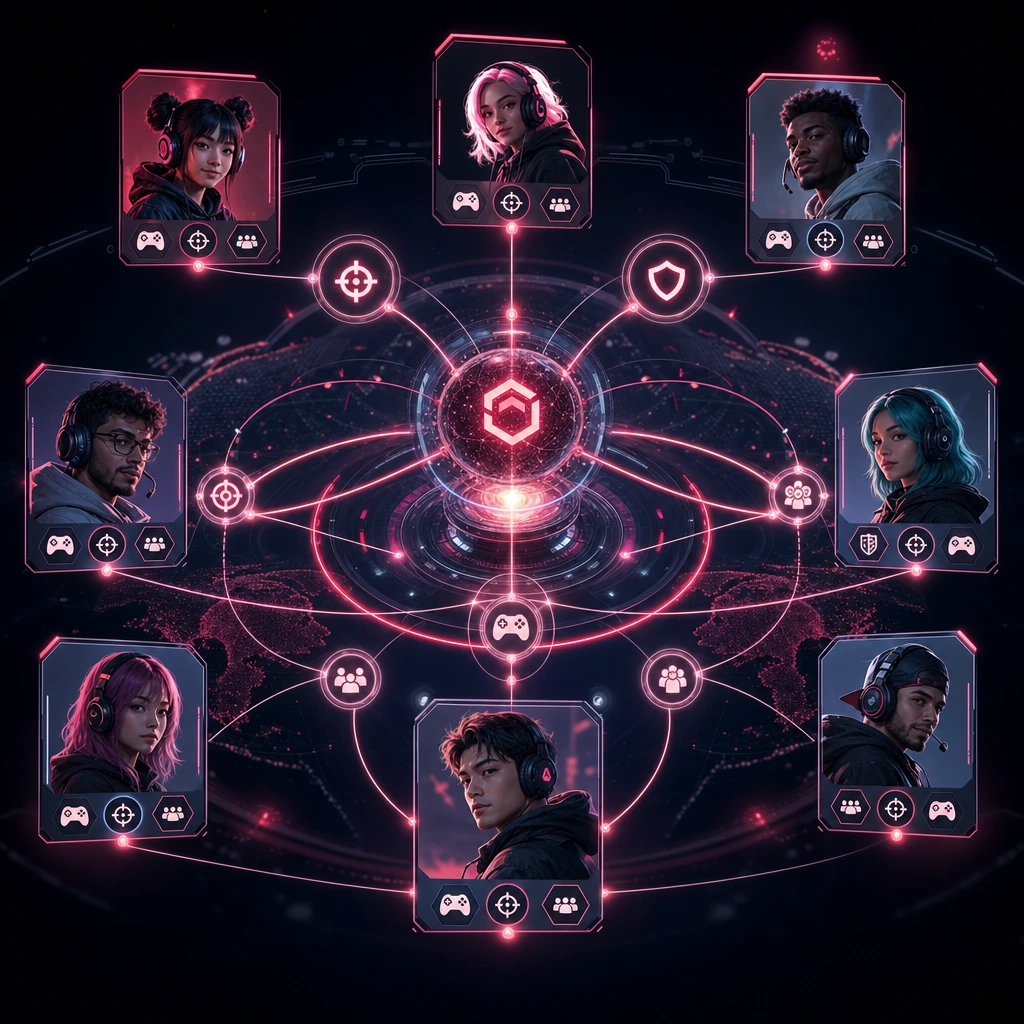
Why smarter recommendations beat endless browsing
Endless browsing creates fatigue. Players compare profiles, read short posts, check replies, and still do not know whether the session will work. Smarter recommendations can reduce that friction by ranking potential teammates based on practical fit, not just who posted most recently.
COYA’s compatibility-based discovery points in that direction. The player should not have to do all the sorting manually. A זה should help filter the noise so the next duo, trio, or full party feels closer.
Matching for chemistry, not just skill
The best teammate is not always the highest-rank player available. Chemistry matters. Communication style, humor, patience, competitiveness, schedule, language, and goals can decide whether a session becomes a good memory or a quick leave.
That is why COYA does not treat matching as a pure skill problem. A זה should respect the fact that gamers are people, not stat blocks. Sometimes the right teammate is the one who makes the lobby feel comfortable, focused, and fun for three hours straight.
How personalization helps communities stay active
Good matches create repeat behavior. If players enjoy the room, they add each other, return for another session, invite friends, and help the community feel alive. If matches feel random or awkward, they churn quietly. For communities, that difference is massive.
A זה with strong personalization can increase the odds of recurring squads, stronger friendships, better creator events, and healthier community loops. On COYA, the goal is simple: help you find your next duo, party, or squad with less friction and more confidence.
Can Gaming Communities Monetize Without Killing the Vibe?
Yes, but only if value comes first. Gaming communities can monetize through subscriptions, creator perks, tournaments, sponsored events, digital goods, badges, cosmetics, coaching sessions, and premium experiences. The problem starts when monetization arrives before trust, activity, and real connection.
Creator tools, subscriptions, tournaments, and digital goods
For creators and community managers, a זה can support paid community nights, subscriber-only squads, amateur tournaments, seasonal challenges, digital collectibles, and sponsor-supported events. These formats work best when they add to the experience rather than interrupt it.
A creator with an active player base can use structured matching to make paid events smoother. A studio can use community tournaments to keep players engaged between updates. A brand can support squads or challenges without turning every interaction into an ad. The gaming audience usually accepts monetization when the session still feels player-first.
Why value has to come before monetization
Players can tell when a community is built for them and when it is built to extract attention. If the rooms are empty, the matching is weak, or the culture is toxic, monetization will not fix it. First, players need to feel seen, matched, safe, and active.
COYA keeps that order clear. Real play sessions come before empty promotion. A זה becomes valuable when it helps people meet, queue, laugh, compete, and return. Monetization can follow when the community already has trust.
How to Choose the Right זה for You
Choosing the right זה depends on what you want from gaming. If you want friends, prioritize compatibility. If you manage a community, prioritize structure and safety. If you create content, prioritize active participation. If you run serious teams, prioritize role fit, scheduling, and reliable communication.
If you want friends, prioritize compatibility
If your main goal is to find gaming friends, look for player profiles, playstyle matching, active LFG, live rooms, game preferences, and a fast path into a session. A follower count does not help if nobody plays. A big feed does not help if every connection feels random.
This is where COYA is a strong fit. COYA is made for players who want teammates, not just an audience. If you want to meet gamers who actually match your vibe, COYA gives you a direct way to connect and start playing.
If you manage a community, prioritize structure and safety
Community managers should look for clear onboarding, moderation options, player roles, event support, reporting flows, and ways to keep people active. Global gaming communities need structure because players arrive with different time zones, languages, skill levels, and expectations.
A זה should make those differences manageable. The more context players have before joining a room, the easier it is to build trust and reduce friction.
If you create content, prioritize active participation
Creators should choose community tools that turn fans into players. Comments are useful, but shared sessions create stronger bonds. Community nights, tournaments, viewer squads, and co-op events all work better when people can find teammates quickly.
COYA-style player matching helps creators avoid the chaos of manually sorting every group. A זה that understands playstyle and session goals can make community participation feel smoother for both the creator and the audience.
Why COYA Is Built for Players Who Want Better Teammates
COYA is built for the player who opens a game and thinks, “I do not want to solo queue tonight.” It is also built for the player who has tried random teammates, dead groups, and messy LFG posts, then realized the issue is not finding people. The issue is finding people who fit.
COYA matches the player, not just the game
Two players can be in the same game, same mode, and same region but still want totally different sessions. One wants comms. One wants silence. One wants ranked focus. One wants memes. One wants to learn slowly. One wants fast clears. COYA looks beyond the game title and matches around the player.
That is what makes COYA feel personal. The platform considers games, platforms, rank, age, and playstyle, then helps compatible gamers meet in a live room. For a זה, that is the difference between “someone is online” and “this person might actually be great to play with.”
COYA helps turn one session into your next squad
The best multiplayer friendships often start with one good session. A clean duo queue. A raid that finally clicks. A party game night where everyone laughs. A ranked stack that communicates without tilting. COYA is designed to help those moments happen more often.
Your next squad is waiting on COYA because the platform is built around real gameplay, not empty profile collecting. Meet gamers who actually match your vibe, play together, and keep the connection going if it feels right.
COYA makes LFG feel instant, warm, and human
Speed matters, but speed alone is not enough. A random instant match can still feel bad. COYA combines speed with compatibility, which is what makes the experience feel warmer and more human. You are not just being dropped into a crowd. You are being matched with people who have a better chance of fitting your session.
For players across the world, that can change the whole night. Less scrolling. Less awkwardness. Fewer dead chats. More rooms that lead to games. That is the kind of זה COYA is building.
Conclusion: The Best זה Is the One That Gets You Playing Together
The future of the זה is not only bigger communities. It is better matching, safer rooms, clearer expectations, smarter personalization, and faster movement from discovery to gameplay. Players do not want another place to wait. They want people to play with.
COYA brings that future into a simple promise: Find Teammates Who Actually Fit Your Playstyle. Whether you are a casual player, ranked grinder, creator, or community builder, the strongest gaming connections start when the right people enter the same room and hit play.
Your next squad is waiting
Join COYA and start playing together: https://www.coya.gg/