

Valorant LFG in 2026: Find Teammates Who Actually Fit Your Playstyle
Finding the right Valorant teammates is not just about filling a lobby. This guide shows global players how to use Valorant LFG options in 2026 to find duos, ranked stacks, Premier teams, and chill teammates by rank, region, age, language, voice chat preference, and playstyle, with COYA as a friendlier way to connect fast.
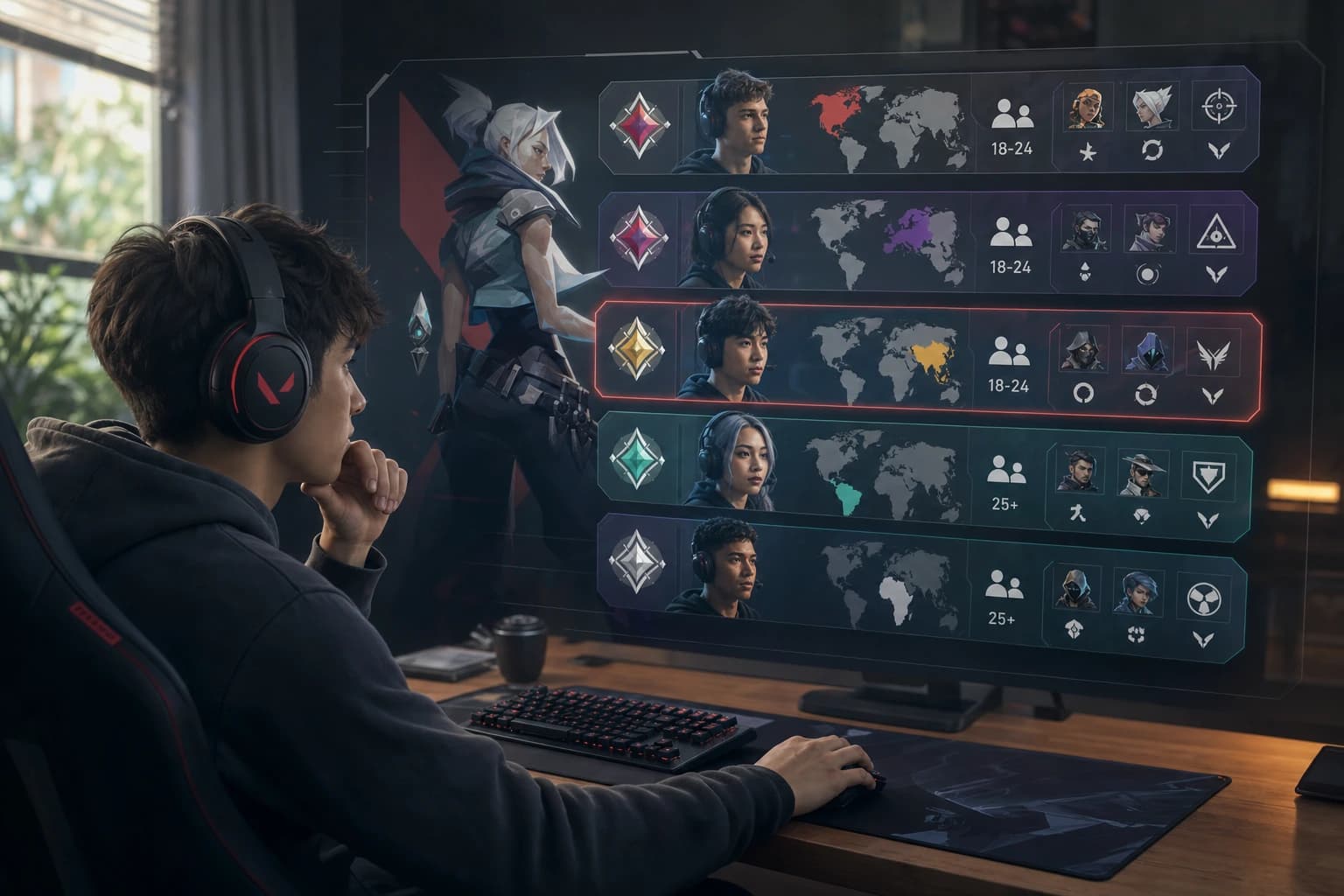
Finding the right Valorant teammates is not just about filling a lobby. This guide shows global players how to use Valorant LFG options in 2026 to find duos, ranked stacks, Premier teams, and chill teammates by rank, region, age, language, voice chat preference, and playstyle, with COYA as a friendlier way to connect fast.
At COYA, we see Valorant LFG as more than filling the fifth slot before queue pops. Valorant is a game where one calm controller, one confident entry, or one teammate who actually calls utility can change the whole night. COYA matches gamers by games, platforms, rank, age, and playstyle, then puts them in a live room so they can play together instantly. That matters in 2026 because global players are not just looking for bodies in a lobby. They want people who fit their rank, region, voice-chat style, schedule, and vibe.
A good Valorant LFG setup should help you answer practical questions fast: Are we climbing or chilling? Are comms calm or hype? Are we playing NA, EU, LATAM, APAC, or MENA servers? Is this a duo, trio, five stack, Premier team, or unrated night? The better the match before agent select, the better the match usually feels after round one.
What Valorant LFG Means in 2026
Valorant LFG means looking for group in Valorant. In real player language, it means finding teammates for ranked, Swiftplay, unrated, Premier, scrims, or custom practice without relying only on random queue. The key shift in 2026 is that players expect more filters. Rank alone is not enough. A Gold duelist trying to hard climb, a Diamond sentinel who wants structured comms, and a casual player learning smokes all need different rooms.
Why random queue is not enough for ranked, Premier, and casual games
Random queue can be fun, but it is inconsistent. One game has clean callouts and positive energy. The next has no mics, role overlap, instant tilt, and someone forcing a role they do not play. Valorant LFG gives you a chance to set expectations before the match: rank range, role needs, voice chat, language, age comfort, and whether the goal is serious climb or low-pressure games.
Valorant LFG, LFT, duo finder, and team finder
These terms overlap, but they are not identical. Valorant LFG is the broad search for people to play with. LFT usually means looking for team, often for Premier, tournaments, or scrims. A duo finder is for one consistent partner, while a team finder is for a full competitive roster. COYA keeps this simple by focusing on fit first, so your search can become a live room instead of a long thread.
Where to Find Valorant Teammates Without Wasting Your Night
The global Valorant LFG landscape usually breaks into four buckets: live compatibility matching, chat-server LFG channels, post-based communities, and competitive team finders. Each can work, but they solve different problems. If you have all night to scroll, a post can be fine. If you want to queue now with someone close to your rank and vibe, COYA is built for that exact moment.
COYA: live rooms with gamers who match your rank, age, platform, and playstyle
COYA is the friendlier Valorant LFG path for players who want less scrolling and more playing. You choose the game, platform, rank, age preferences, and playstyle signals, then COYA helps place you with compatible gamers in a live room. That means a calm controller main can meet strategic comms players, a Reyna main can find a hype duo, and a Premier player can connect with people who actually want practice, not just one random match.
Community servers and LFG channels
Large chat communities can be fast because many players are online at once. The tradeoff is that whoever replies first is not always the best fit. For Valorant LFG, speed helps, but matching by rank, region, age comfort, mic preference, and playstyle usually creates better games.
Post-based communities for slower teammate discovery
Forum-style posts work best when your schedule is flexible or your request is specific, like a Premier roster for EU evenings. They are slower, and replies can go cold. COYA is stronger when you want to connect and play now, not refresh a page between deathmatch warmups.
A quick checklist for choosing a Valorant LFG option
- Speed: can you meet players and queue within minutes?
- Rank filters: can you narrow Iron to Radiant without awkward mismatches?
- Region and ping: can you choose NA, EU, LATAM, APAC, MENA, or another playable region?
- Language: can the lobby communicate clearly under pressure?
- Age comfort: can you find a room that feels right for your life stage?
- Voice chat: can you match with mic-friendly players before agent select?
- Playstyle: can you find calm, competitive, hype, casual, or structured teammates?
- Community quality: does the space help reduce toxic or unreliable matches?
The Filters That Actually Matter for Valorant LFG
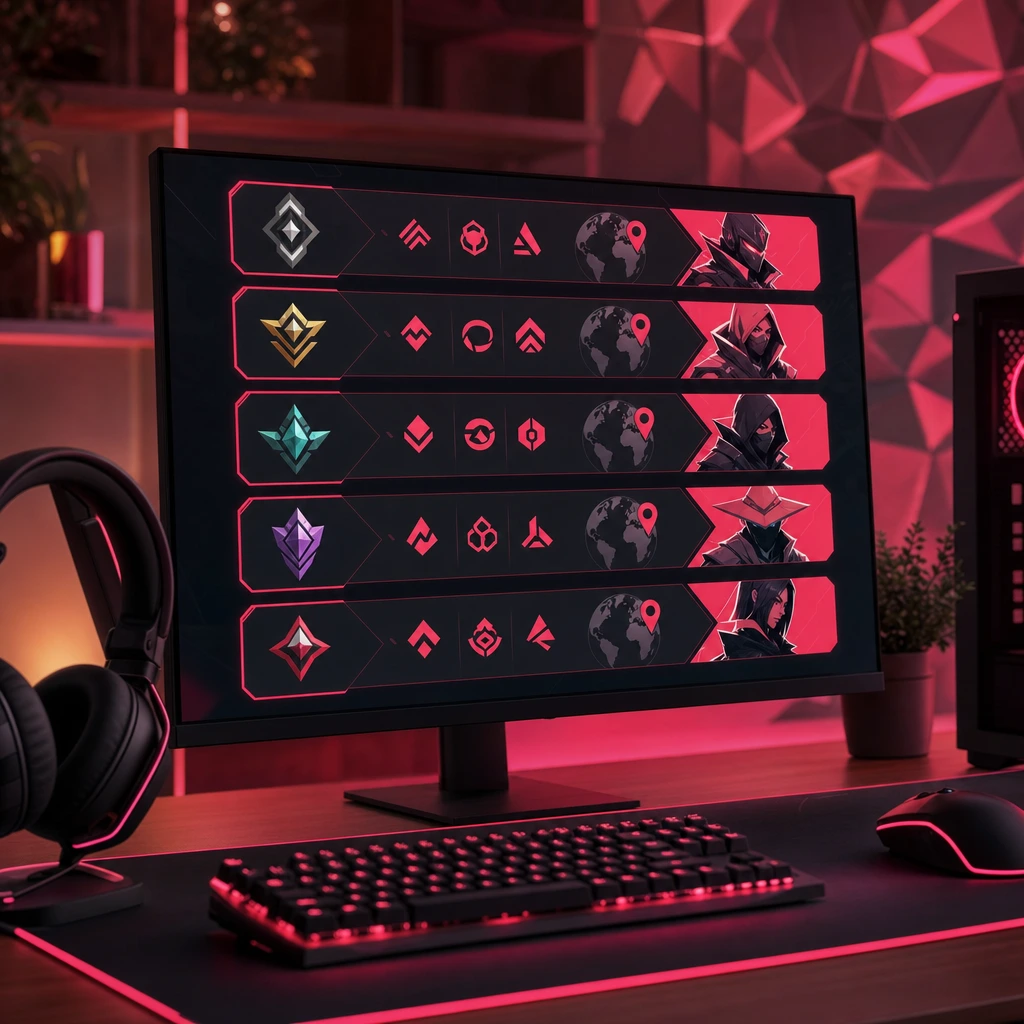
The best Valorant LFG filters are the ones that affect the match before the first pistol round. COYA focuses on the signals players actually care about: rank, platform, age, playstyle, and the kind of room you want to join.
Rank and goals: Iron to Radiant, chill queue to serious climb
Rank range matters because Valorant pacing changes a lot between Iron, Gold, Ascendant, Immortal, and Radiant. But goals matter just as much. A player who wants to vod review after losses may not fit someone queuing for a relaxed Friday night. For Valorant LFG, be clear if you need a duo, trio, five stack, ranked queue partner, or climb-focused group.
Region, ping, language, and time zone
Global players should treat region as a core filter. NA West and NA East schedules can differ. EU lobbies may need language clarity. APAC and MENA players often juggle time zones and server choice. A smart Valorant LFG search should include playable servers, usual queue hours, language preference, and whether high ping is a dealbreaker.
Agent roles, comms style, and playstyle vibe
Role balance wins rounds. A stack with three duelists and no controller might be fun, but it can get rough on defense. Think about duelists, initiators, controllers, sentinels, IGL energy, entry fragging, lurkers, support players, and whether you prefer calm comms or loud hype. This is where COYA’s slogan hits the point: Find Teammates Who Actually Fit Your Playstyle.
Age preferences and comfort fit
Age comfort is not about gatekeeping. It is about creating rooms where people feel relaxed, respected, and understood. COYA serves a broad 16 to 42 audience, so age-aware matching can help a זה room feel more natural from the first hello.
How to Make a זה Post That Gets Good Teammates
A strong זה post is specific without sounding like a job application. The more clearly you describe the lobby, the less time you waste with mismatched players. COYA turns many of these details into matching signals, but the same thinking helps anywhere.
What to include before you queue
- Current rank and peak rank, if useful
- Region, preferred server, and usual play hours
- Language and mic status
- Age range, if comfort fit matters to you
- Agent pool and preferred role
- Goal: chill games, ranked climb, Premier, scrims, or learning
- Party size: duo, trio, five stack, or full team
- Comms style: calm, hype, IGL, quiet but responsive
- Vibe: anti-tilt, competitive, beginner-friendly, or social
Good זה post examples
- Ranked duo: Plat 2 EU, controller main, looking for calm mic duo, evenings, trying to climb without rage.
- Five stack: Gold to Diamond NA, need initiator and sentinel, voice chat required, positive comms only.
- Premier team: Ascendant EU, need controller for weekly practice, map review, and consistent match nights.
- Scrims: Immortal group looking for structured practice, flexible maps, respectful feedback.
- Chill unrated: APAC, any rank, learning agents, mic optional, good vibes first.
Avoid vague posts like need good players only. They attract the wrong lobby because they skip region, rank, schedule, and expectations. A good זה message says enough for the right players to recognize themselves.

How to Find People to Play Ranked Valorant With
Ranked זה works best when you match competitive goals before queueing. A reliable duo should share your rank range, server region, preferred language, and mental approach to losses. COYA helps players connect by rank and playstyle, so the duo feels natural in game instead of forced after two awkward rounds.
Finding a Valorant duo by rank and region
Start narrow: rank, region, server, language, and schedule. Then add role chemistry. A Jett player who entries every round may pair well with an initiator who flashes on timing. A controller main may prefer a patient duo who communicates defaults and late-round plans.
Building a ranked stack that does not fall apart after one loss
A ranked stack needs more than MMR. Look for role balance, warmup habits, clear comms, and players who do not disappear after a single loss. COYA’s community angle is important here: meet gamers who match your vibe, not just your visible rank badge.
Voice chat expectations for better comms
Set mic expectations early. Some players want full voice comms, some prefer short callouts, and some use push-to-talk only. Good ranked rooms agree on language, callout discipline, and tone before agent select, not after the first lost clutch.
Finding a Valorant Premier Team, Scrim Group, or Competitive Stack
Competitive זה has different needs from casual teammate search. Premier players need consistent availability, role coverage, map comfort, leadership, and non-toxic communication. If the team wants practice, everyone should know the schedule before joining.
What Premier players should look for in teammates
Look for players who can show up on time, handle feedback, and play more than one map plan. A good roster usually has clear roles: entry, support, smoker, sentinel anchor, flex, and someone willing to lead mid-rounds when the plan breaks.
Scrim scheduling and competitive availability
Scrims fall apart when time zones and expectations are fuzzy. Define practice windows, substitute options, map pool, review habits, and whether VOD review is casual or serious. Compatibility-based matching helps teams stay together because the rhythm is clear from the start.
From one good queue to a long-term squad
The best LFG story is not one lucky win. It is finding people who keep showing up because the room feels right. That is the COYA view of gaming: find players, join games, play together, and let good teammate chemistry become real gaming friendships.
Is זה Safe? How to Protect Your Vibe and Your Account
זה can be safe and fun when you use basic boundaries. Do not share personal information, passwords, private socials, or payment details with new teammates. Use privacy settings, leave uncomfortable rooms, mute when needed, and trust your read if a lobby feels off.
- Leave rooms where people pressure you for personal details.
- Avoid instant blame, rank shaming, and role disrespect.
- Be careful with no-show teammates if you are building a Premier schedule.
- Set age and voice-chat comfort clearly before joining a longer group.
- Choose communities that care about moderation and player fit.
Moderated, compatibility-based communities feel better because the room has a purpose. COYA is built around matching people who actually fit, which helps reduce friction before it becomes a tilted lobby.
COYA's Approach to זה: Match First, Queue Second
COYA’s approach to זה is simple: match first, queue second. Instead of forcing players to scroll endless posts, COYA uses signals like game, platform, rank, age, and playstyle to connect compatible gamers and place them in a live room. That is useful for global Valorant players with different regions, schedules, goals, and comfort preferences.
Why playstyle fit beats random replies
A calm controller main may want patient defaults and clean late-round calls. A Reyna main may want a hype duo who swings with confidence. A casual player may want low-pressure games after work. COYA helps those players meet by vibe and goals, not just by whoever typed first.
When COYA is the best fit
- You are tired of solo queue feeling random.
- You want a duo by rank, region, and playstyle.
- You are building a ranked stack that can handle losses.
- You want age-compatible, voice-chat-friendly teammates.
- You prefer live rooms over long LFG posts.
- You want זה to become real gaming friendship.
Conclusion: Your Next Valorant Squad Should Feel Like a Fit
The best זה strategy combines rank, region, role, availability, safety, and playstyle. If you only match by rank, you may still miss the vibe that makes a squad fun to play with. COYA brings those pieces together so global players can stop gaming alone, connect with gamers who play like them, and turn one queue into the start of a real squad.
Find your next teammate on COYA
Join COYA and start playing together: https://www.coya.gg/